

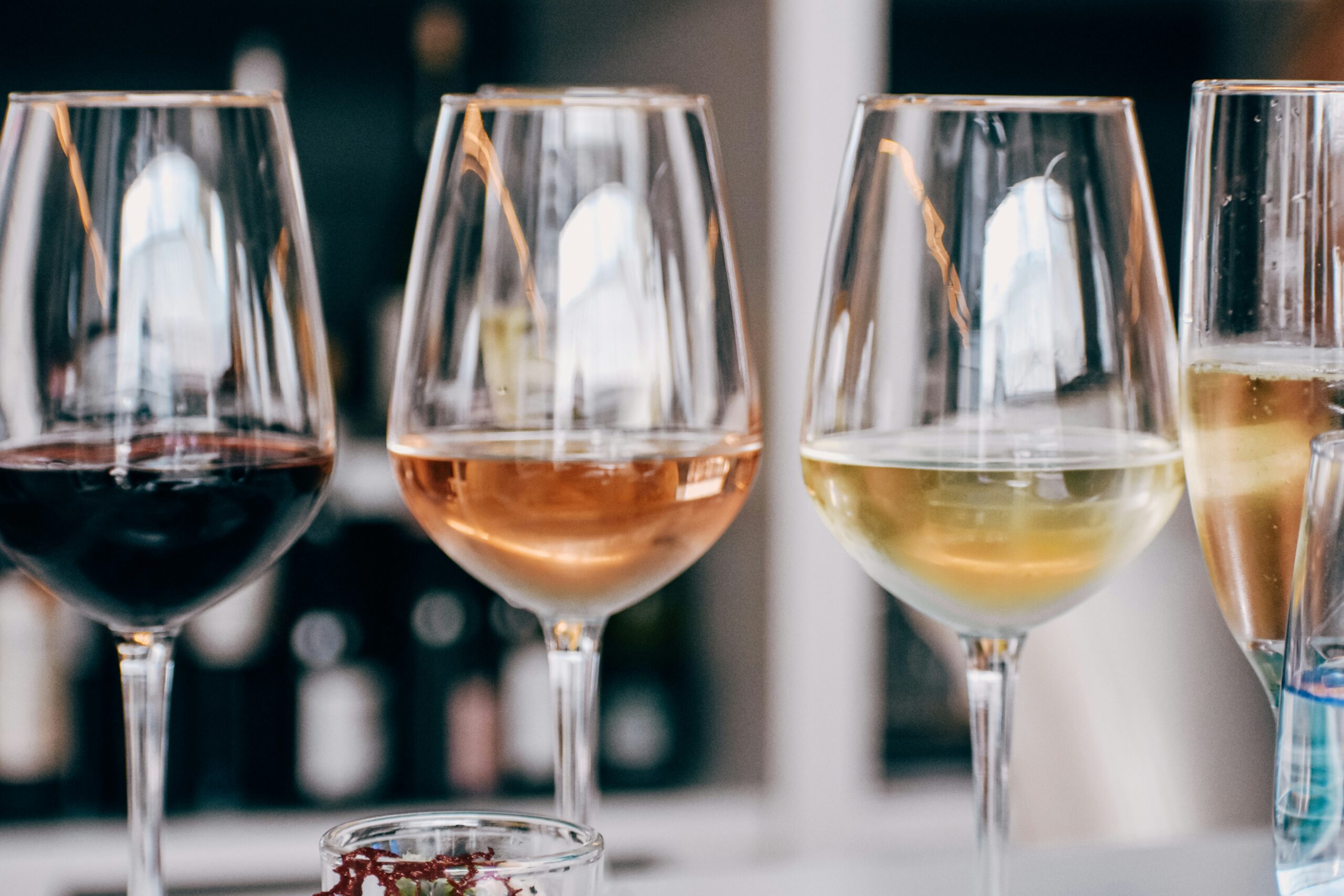
How to react when going on a wine tour. After about the third cellar visit you will automatically know how to react. You will be on “Auto Pilot” as they say.
This will guide you through your first tasting experience. By using this guide will create an admiration by cellar staff members and tasting room crews.
* **Praise with faint damns.** Use “charming,” “delightful,” or “pleasant” as ultimate insults.
* **Question the winemaker’s courage.** Suggest they played it too safe, were too technical or didn’t “listen to the vine.”
* **Focus on the one thing they *didn’t* mention.** The soil’s ph level, the moon phase during bottling, the breed of sheep in the neighbouring field.
* **Finally, sigh wistfully and say:** “It’s a very *good* example of modern Franschhoek winemaking.” Then pause, letting the unspoken “for the masses” hang in the air like the scent of a rejected grape.
The tasting room at a Franschhoek estate was hushed, save for the soft clinking of glasses and the earnest murmur of the sommelier, a young man named Pieter. He held a glass of a pale Chenin Blanc aloft.
“This,” Pieter began, with genuine warmth, “is from a small, family-run vineyard on the slopes of the Simonsberg. They use minimal intervention, allowing the terroir to truly speak. You’ll notice a beautiful line of acidity, with hints of green apple and a subtle, flinty minerality from the decomposed granite soils.”
You swirl your glass, sniff with exaggerated concentration and take a small sip. You place the glass down with a deliberate click.
“Ah, ‘minimal intervention’. A charming euphemism for ‘they forgot to add the sulphur’, I suppose. The acidity is… present, yes. Rather like a tart reminder of an unpaid bill. And this ‘flinty minerality’… I’m getting more ‘wet gravel from a disused driveway’ than the noble granite of the Simonsberg. It’s trying *so hard* to be Sancerre. Adorable.”
Pieter’s smile tightens. He moves on to a robust Cabernet Sauvignon, its colour deep and purple. “This one spent eighteen months in French oak,” he explains. “It’s a classic Franschhoek style—full-bodied, with structured tannins, notes of dark plum, blackcurrant and a touch of cigar box from the ageing.”
You examine the wine against the light, as if diagnosing an illness.
“Eighteen months? Barely a nap. A proper Cabernet should slumber in oak like a disgraced aristocrat, for at least two years. These tannins… structured? I’d call them ‘aggressively chewy’. And ‘cigar box’? My dear fellow, I’m detecting more ‘damp cardboard’ than Havana. It’s a valiant attempt, but it lacks the *gravitas*. It’s essentially a Shiraz in a Cabernet’s clothing, shouting in a library.”
A faint sigh escapes Pieter. He presents the final wine, a celebrated Méthode Cap Classique sparkling wine. “Our flagship,” he says, recovering his pride. “Five years on the lees. A complex bouquet of brioche, citrus and a very fine, persistent mousse.”
You take a single, slow sip, letting the bubbles dissipate on your tongue. You raise an eyebrow, a gesture of profound disappointment.
“Five years on lease. A commendable effort for a local *pétillant* but it’s rather… eager. The mousse is persistent, yes—like a overly enthusiastic salesman. The brioche note is there but it leans rather heavily towards ‘day-old croissant’. It has the ambition of Champagne but the execution of a very enthusiastic soda. It’s *fun*. And real wine as we know, should never be ‘fun’.”
Pieter simply nods, his passion now fully corked. You, however feel a serene sense of accomplishment. The wines were, in fact, exquisite. But that, of course was entirely beside the point.

Be the first to comment