

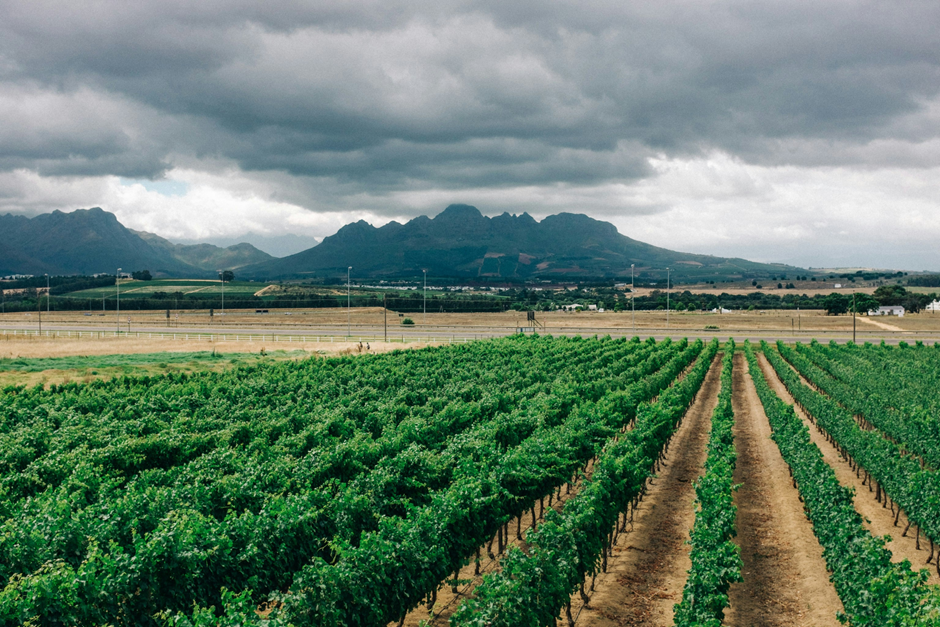
Helderberg social life has reportedly reached a new level of refinement where weekends are no longer measured in hours or days but in tasting notes mouthfeel and emotional reactions to olive oil.
Across Somerset West and the surrounding wine routes locals are increasingly dedicating entire weekends to what industry insiders describe as “curated rural lifestyle immersion” but what most people still recognise as going from farm to farm eating cheese and pretending to detect hints of oak.
The obsession is particularly visible along the R44 corridor where wine farms olive estates and boutique restaurants now function as unofficial weekend headquarters for residents seeking meaning balance and occasionally a place that serves bread slightly warmer than at home.
One local resident explained the phenomenon:
“I don’t drink wine anymore. I experience it.”
This statement was delivered while swirling a glass with the seriousness of someone analysing international trade negotiations.
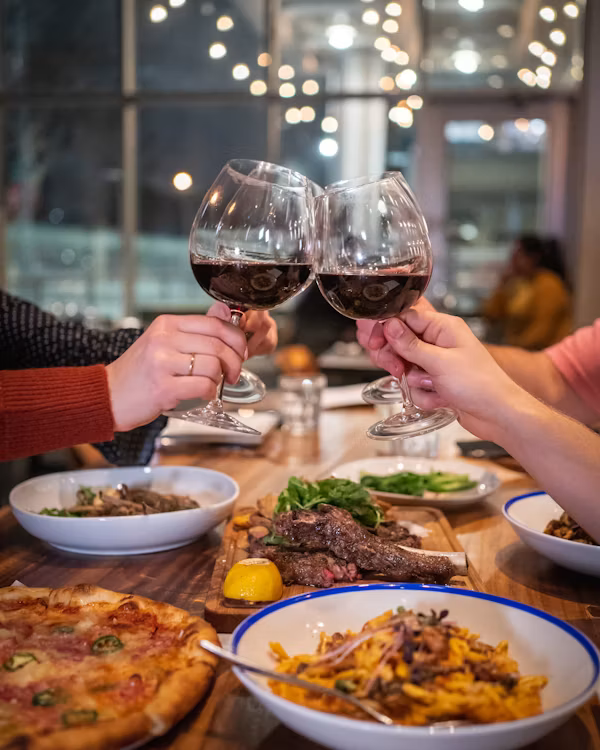
Wine farm culture has also expanded beyond wine itself. Olive oil tastings now attract surprisingly emotional reactions with participants often nodding thoughtfully while describing flavours such as “grassiness” “sunset bitterness” and “a memory of something Mediterranean I have never actually experienced.”
Experts confirm that olive oil tasting has become one of the fastest growing emotional activities in the Helderberg basin second only to estate gate anxiety and school drop-off stress recovery.
Somerset West residents in particular have embraced the lifestyle with enthusiasm often planning entire weekends around structured farm visits designed to maximise exposure to nature curated aesthetics and artisanal anything.
One mother described her Saturday routine as:
“Breakfast at one farm lunch at another and emotional healing somewhere between a vineyard and a cheese board.”
Meanwhile Strand residents have reportedly adopted a more practical interpretation of wine farm culture focusing on affordable picnic baskets sunset views and the strategic avoidance of tasting fees that require prior emotional commitment.
Gordon’s Bay participants tend to approach wine farms as a scenic detour between beach activities often arriving in slightly sandy clothing and leaving with bottles purchased purely because the labels looked friendly.
Stellenbosch however remains in a category of its own where wine tasting is treated with near academic seriousness and residents casually use terms like terroir minerality and fermentation notes in everyday conversation including while buying bread.
Maties students are frequently spotted attempting wine appreciation with the confidence of people who have not yet recovered from their first lecture.
Wine farm managers confirm that visitor expectations have evolved significantly over the years.
“It used to be about drinking wine” said one estate representative.
“Now it is about experiencing a lifestyle narrative that includes nature authenticity and at least one Instagram moment involving a barrel.”
This has led to the rise of what some locals call “performative leisure” where visitors carefully stage moments of relaxation while simultaneously ensuring optimal lighting and vineyard alignment.
European swallows returning for summer have reportedly expressed confusion at the intensity of weekend farm activity.
“In our country weekends involve rest” said one visitor while observing a couple debating the emotional undertones of a rosé.
Despite the humour many residents insist the wine farm lifestyle serves a genuine purpose offering a sense of escape from traffic school stress and estate security procedures all of which dominate weekday life.
“It is the only time I feel human again” admitted one Somerset West professional while holding a glass like it contained the answers to municipal planning.
Still experts warn that excessive immersion in curated rural leisure may lead to a condition known locally as “tasting fatigue” where individuals can no longer distinguish between wine descriptions and poetry.
Symptoms include prolonged nodding thoughtful silence and the belief that every meal should be paired with a story.
As the Helderberg lifestyle continues to evolve one thing is clear:
Whether it is wine olive oil or artisanal cheese locals are no longer simply consuming products.
They are emotionally negotiating them.


Be the first to comment