

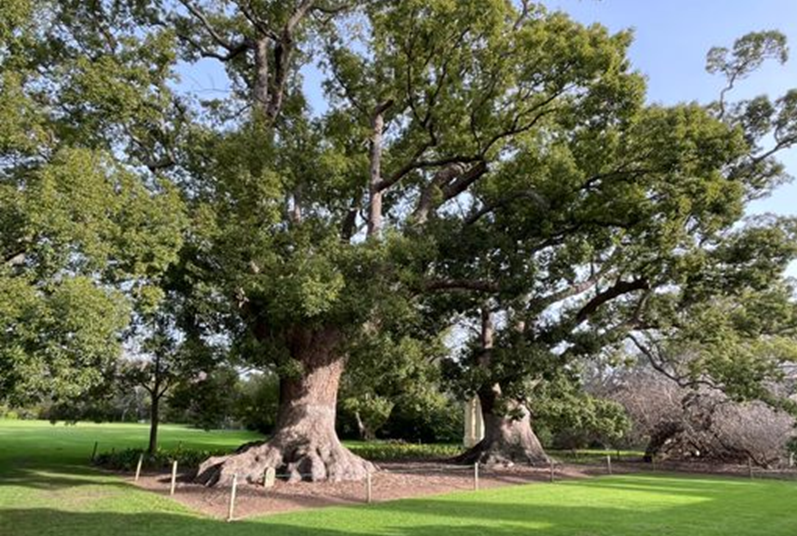
Somerset West was founded in 1822. The Helderberg Nature Reserve opened in 1960. The N2 highway went through in the twentieth century. But on the front lawn of Vergelegen Estate, five trees have been standing since 1700, watching all of it happen.
Willem Adriaan van der Stel
Willem the botanist, gardening enthusiast, plant collector and horticultural experimenter was known for conducting extensive agricultural and horticultural experiments, collecting and sending Cape plants to botanical gardens in Amsterdam and writing one of South Africa’s earliest gardening almanacs.
When Willem Adriaan van der Stel planted his camphor trees in the year he established Vergelegen, Somerset West did not exist. South Africa did not exist. The United States of America did not exist. The French Revolution had not yet happened. Napoleon had not yet been born.
Those five camphor trees have been standing in the Helderberg for longer than most countries have been countries.
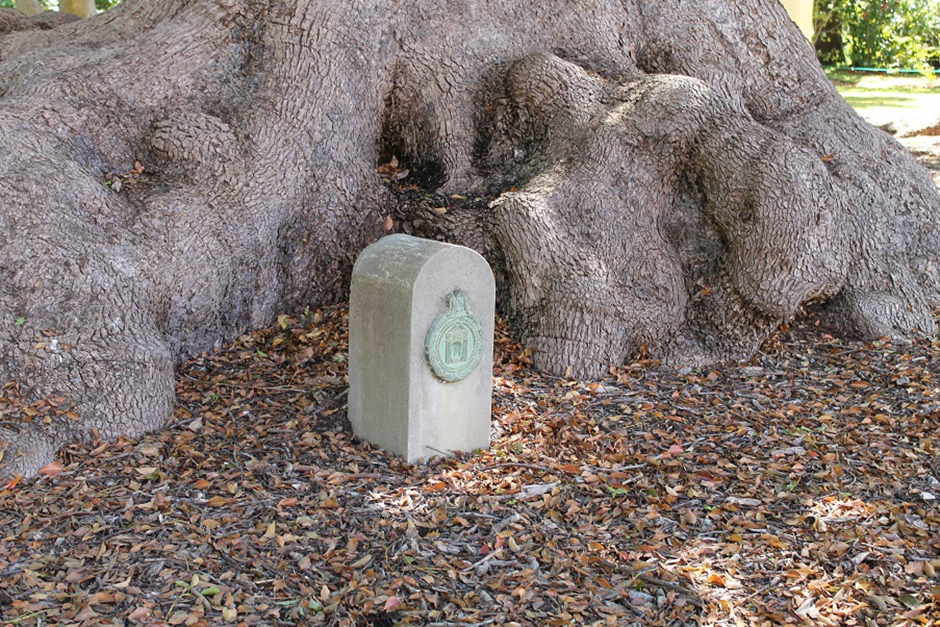
They were declared National Monuments in 1942, which means that for over eighty years the South African government has officially recognised that these trees cannot be cut down, built over or interfered with. They have outlasted the VOC, the British Empire, apartheid and the first thirty years of democracy. They are, by any measure, the most quietly impressive residents the Helderberg has ever had.
The man who planted them died in the Netherlands in 1733, having spent the last twenty-five years of his life in comfortable but humiliating exile, never allowed to return to the farm he had loved and lost. The trees he planted went on without him.
After the estate was broken up in 1709, Vergelegen passed from owner to owner over the centuries, the Theunissen family, then Lady Florence Phillips in 1917, then the Barlow family in 1941. By the early twentieth century, the homestead had fallen into a sorry state of disrepair. It was Anglo American, yes, the mining giant, who bought the farm in 1987 and spent years restoring it to something close to its original grandeur. They produced their first commercial vintage in 1992.
Today Vergelegen draws around 50,000 visitors a year. People come for the wine, for the gardens, for the restaurant under the oaks. But if you walk up to those five massive camphor trees and put your hand on the bark, you are touching something that was alive before a single street in Somerset West was named, before the first church was built, before the railway, before the pass, before any of it. Three hundred and twenty-five years old, give or take.
Still standing. Still in the Helderberg.
Between You and Me:
It is worth pausing to appreciate just how fortunate it is that nobody in the early 1700s was particularly braai-mad. Had the average settler possessed the modern South African’s relationship with fire, a long weekend and a pile of hardwood, those five camphor trees would have been reduced to a cheerful evening’s entertainment sometime around 1704 and we would today be admiring a fine stand of Port Jackson willows and Rooikrans — both of which, as any fynbos enthusiast will glumly confirm, nobody is declaring a National Monument anytime soon. The camphor trees survived three centuries of Cape history, two colonial empires, a world war, apartheid and thirty years of democracy. The one thing they may not have survived is a man with a bakkie, a bag of firelighters and absolutely nowhere to be on a Saturday afternoon. Fortunately for all of us, that particular threat arrived a few centuries too late.
Next week: the forgotten woman of Vergelegen.


Be the first to comment