
STORY 101
There is something about a mountain with a name that means clear bright sky. Something about the quality of the light in the late afternoon when the south-easter has blown all day and then dropped, suddenly and the air above the Helderberg is the kind of clean that exists nowhere else in the world except here, at this specific latitude, in this specific declination of the southern sun. Something that makes people who live here want to make things.
The Helderberg has been producing artists and writers for as long as it has been producing wine. That is not a coincidence. The same landscape that makes excellent grapes, the interplay of mountain and sea, the particular quality of the light, the drama of the weather, is the landscape that painters and writers have always sought out. Landscape is not just background. For the serious artist, landscape is material. The Helderberg has given its artists extraordinary material.
The nineteenth-century Cape was, by the standards of colonial societies, unusually well-served by artists. The Cape Town school of landscape painters, influenced by the Dutch tradition of naturalistic landscape painting and by the demands of patrons who wanted their farms and estates recorded, produced work of considerable quality. The farms of the Helderberg valley appeared in paintings commissioned by their owners, topographical records that are now historical documents as much as artworks. The mountains, the oaks, the whitewashed gables, the impossibly blue sky, these images repeated across canvas after canvas are the visual language through which the Cape first represented itself to itself and to the world.
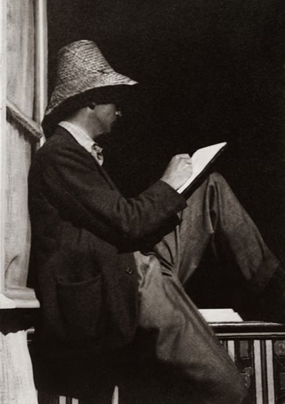
The twentieth century brought different kinds of artists. The Helderberg attracted painters who came for the light and stayed for the community, the informal network of artists, galleries and interested buyers that any productive artistic community requires. The Somerset West Arts and Crafts Association and similar organisations gave local artists a structure within which to show and sell their work and to find the company of other people making things.
The area produced writers whose work reached beyond the valley. This is a sentence that requires care. The literary history of the Helderberg is not a story of famous names attached to particular addresses in the way that, say, the literary history of certain English country towns is. South African literature has its own geography, Johannesburg, the platteland, the Cape Flats and the Helderberg sits within it at an angle. But writers lived here. Writers wrote here. The landscape and the community appear in the literature.
The wine industry has generated its own literature, a genre of wine writing and wine journalism that is specific to place, that describes the farms and the soils and the seasons of the Helderberg valley in language that is sometimes purely technical and sometimes genuinely fine. The best wine writing is a form of landscape writing. The Helderberg has produced some of it.
The crafts tradition deserves acknowledgment alongside the fine arts. The Lourensford Market and the community of maker-traders that surrounds it represents a living craft culture, potters, woodworkers, textile artists, leatherworkers, that connects to a much older tradition of making things by hand in the valley. The blacksmiths and coopers and saddlers who served the farming community of the nineteenth century have modern equivalents at the Saturday market stall. The impulse is the same: to make something from the materials at hand that did not exist before you made it.
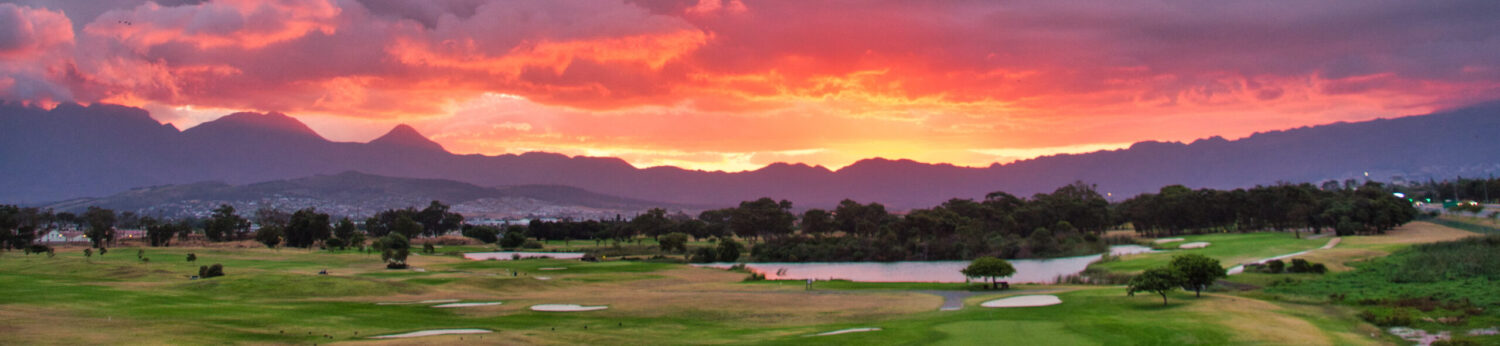
Photography found the Helderberg early and loved it well. The mountain is photogenic in a way that is almost unfair. It photographs easily, dramatically, reliably. The vineyards in autumn. The mountain in first snow. The light on the Strand beach in the hour before sunset. These images circulate on social media now with a frequency that would have bewildered the Victorian topographers who made the first images of the same view with glass plates and long exposures. The landscape has not changed much. The technology has changed entirely. The impulse, to capture this particular place and this particular light and make them permanent, is identical.
What the Helderberg gives its artists is not a quiet, pastoral peace. The mountain is dramatic. The weather is dramatic. The history buried in the landscape is dramatic in ways that patient looking will eventually reveal. The sugar bush burning on the Helderberg slopes in a controlled fynbos fire. The mist sitting in the valley in winter, the mountain entirely invisible above it, the farms floating in grey silence. The moment when the south-easter drops in February and the whole valley exhales.
These things ask to be responded to. The artists and writers of the Helderberg have been responding to them for a long time.
Between You and Me:
The moment when the south-easter drops in February and the whole valley exhales. I wrote that line and then sat with it for a while, because it is one of those things that everyone who has lived through a Cape summer knows in their body and almost nobody has put into words. The wind blows for days. It is relentless, it gets into everything, it makes ordinary tasks slightly harder than they should be. And then, sometimes in the early evening, it simply stops and the air goes still and warm and the light goes gold and the whole valley seems to settle, all at once, like a held breath finally released. I do not think it is an accident that so much of the Helderberg’s art and photography is made in that particular light, in that particular hour. It is the hour when the place finally lets you look at it properly.
Historian – Harmen Bockelenberg
Next week: the poet of the sea Ingrid Jonker, the child who played on Gordon’s Bay beach and the words Nelson Mandela read at the opening of Parliament.

Be the first to comment