
STORY 52
In 1998, the Cape Explosives Works, the factory that Cecil Rhodes had commissioned, that Colonel Quinan had built, that had employed generations of Helderberg families, that had supplied dynamite to the copper mines of Zambia and nuclear device components to a secret laboratory and rocket propellant to a clifftop test facility above False Bay, stopped making explosives. After ninety-five years, the factory was silent.
What happened next was remarkable.
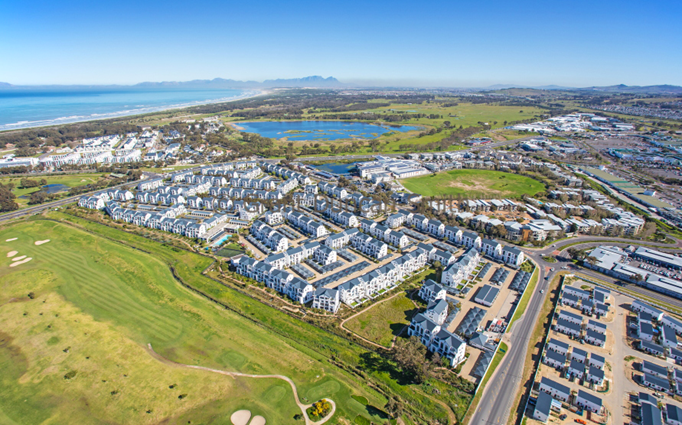
The great 11,600-hectare site that had been hidden from public view for a century began its transformation. Old storage bunkers were demolished. Soils were decontaminated. Developers moved in. And slowly, on the land that Cecil Rhodes had fenced off in 1899 because it was safely away from any population, safely meaning toward the sea if anything went wrong, a new Helderberg neighbourhood began to emerge.
Somerset Mall was built on the former factory grounds. One of the busiest shopping centres in the Western Cape, anchoring the retail economy of the entire Helderberg basin, stands on land that was once restricted, fenced and marked on every sign with the word that Quinan’s white railway wagons had carried: EXPLOSIVES.
The Lord Charles Hotel occupies part of the old precinct. So does Cheetah Outreach, the wildlife education centre where Helderberg schoolchildren go to meet cheetahs. The old dynamite factory itself became Flagstone Wines in 2002, a working winery producing award-winning wine on the same site where nitroglycerin once flowed through pipes.
The nine Herbert Baker buildings that still stand at the entrance to the Paardevlei precinct are all declared national monuments. The same architect who designed the Union Buildings in Pretoria designed the workers’ cottages and administrative buildings of a dynamite factory in Somerset West. Those buildings are now offices, homes and coffee shops. Where explosives engineers once clocked in for the morning shift, young professionals now pay premium prices for heritage homes in a secure estate.
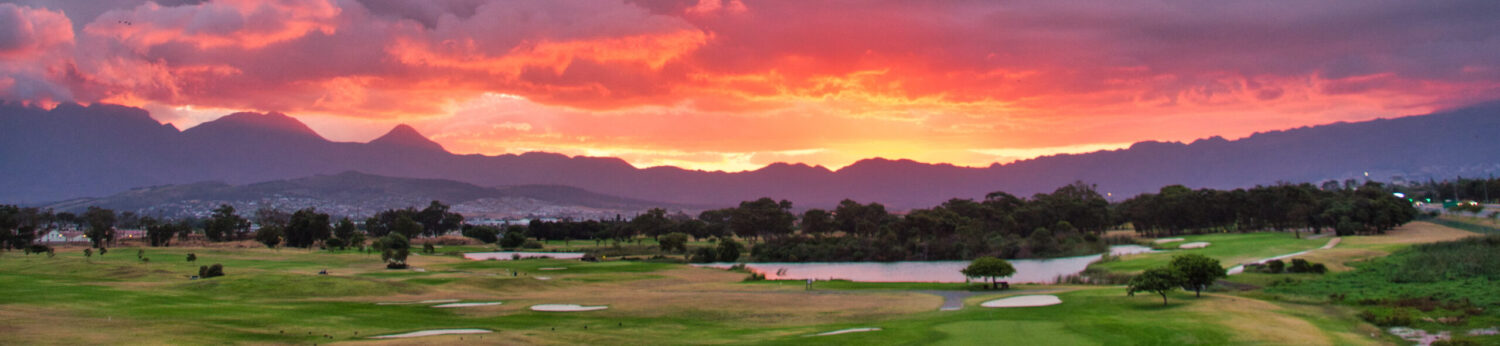
The Paardevlei wetland itself, the horse marsh that gave the entire precinct its name, that had been surrounded by factory infrastructure for a century, is now a nature reserve. The waders pick their way through the reeds. The birds are indifferent to the history of the industrial site that surrounds them.
The original carpentry workshop has been transformed into a restaurant, the original wooden floors preserved beneath tables where people eat lunch and look out over the wetland. Further on, local wine tasting and craft beers occupy the spaces where the production planning office once processed the monthly figures that passed across my uncle’s desk.
Now you can sit in the Paardevlei precinct on a clear morning and hear nothing louder than birdsong from the wetlands.
It is, in its way, the most complete transformation in the Helderberg’s history. From horse marsh to dynamite factory to nuclear test site to rocket propellant plant to shopping centre to winery to nature reserve to coffee shop, all on the same 11,600 hectares, all within a hundred and twenty years, all within sight of the same mountain that Colonel Quinan looked up at when he stepped off his ship in July 1899 and drove east to change everything.
He is remembered in the name of a road at Paardevlei.
It is not enough. But it is something.
Between You and Me:
The Paardevlei wetland is one of the better-kept secrets in the Helderberg. Most people who live here know it exists in the way they know Table Mountain exists, as a background feature, always there, rarely visited. But the wetland is extraordinary. On a still morning, with the birds working the reed margins and the mountain above and the smell of water and vegetation rather than nitroglycerin, it is almost impossible to believe what this place was for most of the twentieth century. Almost. If you know where to look you can still find corners of the site where the past is only barely covered. History in the Helderberg is like that. Never more than one layer down.
Historian – Harmen Bockelenberg
Next week: beyond the photograph, the story of the man who walked away from the dynamite factory, turned moments into memories and captured a generation of South African images.

Be the first to comment