

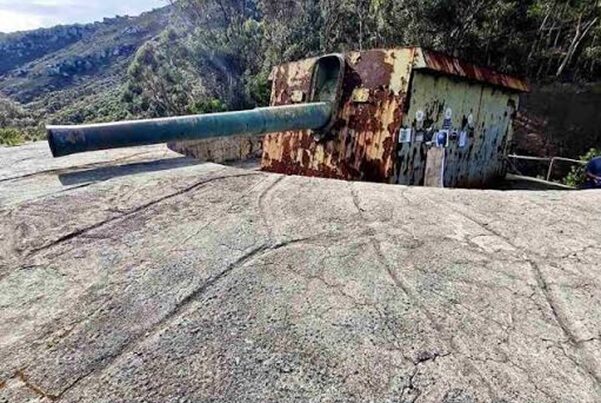
When war broke out in September 1939, the Helderberg was still largely a region of farms, small coastal towns and close-knit communities. The distant battlefields of Europe, North Africa and the Middle East seemed a world away from the vineyards of Somerset West, the beaches of Strand and the fishing boats of Gordon’s Bay. Yet as the war progressed, its effects reached deeply into the daily lives of local residents.
Young men from across the district answered the call to serve. Farmers’ sons, shop assistants, tradesmen and clerks left behind their families and livelihoods to join the South African forces. Many found themselves fighting in East Africa, the deserts of North Africa and later in Italy, among them my great-uncle, who served as a pilot. For those left behind, newspapers became a lifeline, carrying reports from distant fronts and lists of casualties. Every family waited anxiously for letters, hoping for news from loved ones far from home.
The war also brought the reality of global conflict to the shores of False Bay. The Cape sea route became one of the most important shipping lanes in the world, linking Britain with its territories and allies in the East. German submarines operated in South African waters, sinking merchant vessels and creating a genuine threat along the coastline. Gordon’s Bay and the surrounding area formed part of the Cape’s coastal defence system. Observation posts were established on prominent vantage points and military personnel became a familiar sight in the district.
Life at home changed in countless ways. My mother recalled the blackouts and the posters that read Don’t talk about ships or shipping, put up while German U-boats watched the Cape Town shipping lanes. Residents became accustomed to drawing curtains and limiting lights after dark. Petrol, sugar, tea, coffee and many imported goods were rationed. Families learned to make do with less, repairing and reusing items that would previously have been replaced. Vegetable gardens became increasingly important as households sought to supplement their food supplies.
The war also brought an atmosphere of caution to everyday life. People were encouraged to remain vigilant. Rumours circulated of German sympathisers, spies and messengers operating within local communities, passing information along informal networks. Children listened as adults lowered their voices when discussing the war. Stories of enemy submarines off the coast, secret radio transmissions and suspected German sympathisers became part of everyday conversation. Whether true or exaggerated, the fears reflected the uncertainty of wartime, when even quiet towns such as those of the Helderberg were reminded that they formed part of a much larger global conflict.
The farming community carried an especially heavy burden. With many men away on military service, labour shortages became a constant challenge. Yet demand for agricultural produce increased as farmers were called upon to help feed both the civilian population and the war effort. Despite shortages of fuel, machinery, tyres and equipment, production continued through determination and ingenuity.
When peace finally arrived in 1945, the Helderberg emerged changed. The experience had connected its people to events far beyond the mountains and coastline they called home. Returning servicemen brought new perspectives and new skills, while economic growth and improved infrastructure paved the way for rapid development. The quiet farming district that entered the war in 1939 would, in the decades that followed, evolve into the modern Helderberg known today.
Between You and Me:
My mother remembered the blackouts. Drawing the curtains. Checking the edges for light. It seems, from a distance, almost quaint — as if pulling a curtain could have any practical effect on whether a U-boat commander forty kilometres offshore chose to surface. But that is not the point. The point is that it was something you could do. In a war being fought largely by other people in other places, closing your curtains at night was an act of participation. It connected the domestic world of the Helderberg to the larger conflict. My mother remembered it not as an inconvenience but as something she did because it mattered. I think she was right.
Historian – Harmen Bockelenberg
Next week: the concrete ruins above the Steenbras River mouth — the gun emplacements that watched False Bay and the men who spent years waiting for an enemy that never arrived.

Be the first to comment