

Fourteen genuinely enriching ways to spend a wet Saturday in Somerset West, Strand and Gordon’s Bay — and one that requires no petrol
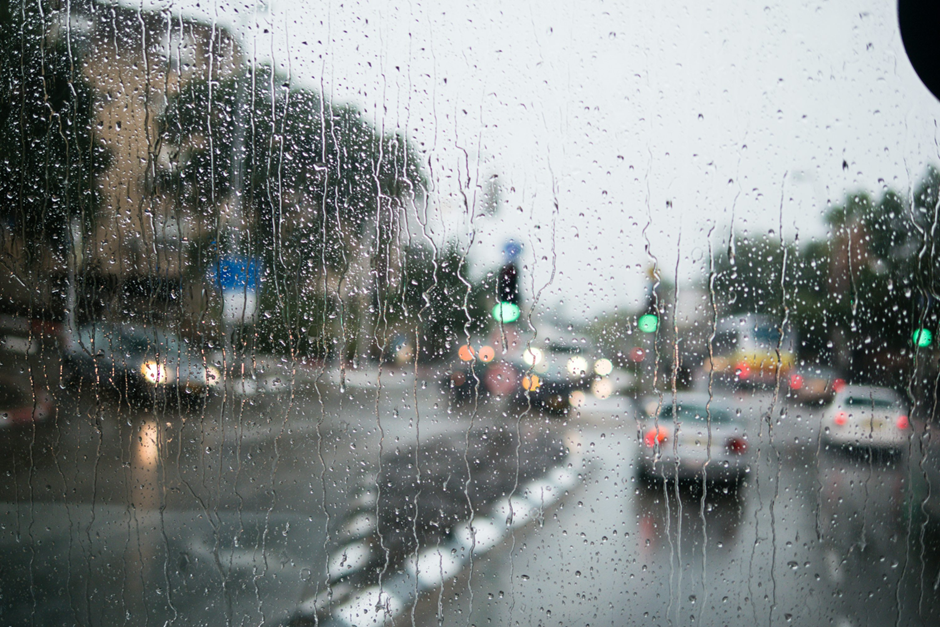
The Helderberg does not do rain modestly. When it rains here it commits. The mountain disappears. The R44 develops its own hydrology. The Lourens River, which spends most of the year looking philosophical about its situation, begins to make points. A Cape winter morning of this type calls for a plan and the Helderberg, it must be said, offers options.
What follows is a complete and authoritative guide to spending a rainy day in this region productively, culturally and with your dignity largely intact.
ONE: STAY HOME AND MAKE A FIRE IN THE KAGGEL
Build a fire in the fireplace. This is the correct answer and everything that follows is for people who have not yet accepted it.
The kaggel is not merely a heat source. It is a management philosophy. It requires your full attention — the selection of the wood, the arrangement of the kindling, the lighting of the paper, the period of coaxing, the adjustment of the bigger logs once the smaller ones have established themselves, the monitoring of the draw, the adding of the next log at the precise moment that maintains the fire without smothering it. This is a full morning’s work if done properly and it should be done properly, because a fire built correctly in a good kaggel on a Cape winter’s morning, with rain on the windows and coffee on the go and nowhere to be, is not a thing to be improved upon by any of the fourteen suggestions that follow.
Everything else on this list is for when the wood runs out.
TWO: VERGELEGEN WINE ESTATE
Drive up to Vergelegen on Lourensford Road, which in the rain looks like a painting of itself and is arguably better in this condition than on a clear day, when the mountain is visible and everyone is taking photographs and the parking lot has developed ambitions above its station.
Vergelegen is one of the oldest wine estates in the country and it shows, in the best possible way. The camphor trees alone — enormous, ancient, planted in a circle that has been standing since the early 1700s — are worth the drive. The gardens, even in winter rain, maintain a considered beauty that suggests they have been through worse and have views about it.
There is wine to taste. There is a restaurant. There is history in every direction. You can spend two hours here without consulting your phone once, which is either a selling point or a warning depending on who you are.
This is a real suggestion. Go to Vergelegen.
THREE: THE HELDERBERG NATURE RESERVE
Hike in the rain. This is, admittedly, a choice. The Helderberg Nature Reserve in wet weather is not the experience of the brochure, but it is a genuine experience, which is a different and arguably superior thing. The fynbos smells extraordinary when it is wet. The paths are quiet because sensible people are at home next to their kaggels. The mountain does dramatic things with the cloud.
You will get wet. You will be colder than you expected. Your shoes, unless they are specifically designed for this, will make a decision about waterproofing that they will communicate to your socks. None of this is a reason not to go. All of it is a reason to go and then come home and make a fire, which brings us back to option one, which was always the correct answer.
FOUR: EXPLORE THE HELDERBERG VILLAGE SHOPS
Somerset West has a collection of small independent shops that reward a slow, rainy-day browse in a way that the Waterstone Village on a sunny Saturday, when it has become a managed pedestrian experience, does not.
There are antique dealers. There are bookshops. There are the kind of small galleries and home goods stores that you walk past quickly on busy days and always mean to go into and never do. A rainy Tuesday is when you go into them. The owners are there. The owners, on a quiet winter’s day, will talk to you. They know things about this town, about this valley, about the history of the buildings you are standing in, that are not in any brochure and are not on any website and will not be available to you on a sunny Saturday when they are busy and you are not listening anyway.
Go in. Browse slowly. Buy something small. Talk to the person behind the counter. This is a form of community infrastructure and it requires your participation to remain standing.
FIVE: THE STRAND BEACH WALK
This requires an explanation, because recommending a beach walk in the rain needs to be handled carefully. Feel the rain and smell the sea – what a combination.
The Strand beachfront in winter, in the rain, with the wind off the water and the sea doing what the sea does when it is not performing for tourists, is actually magnificent. It is not comfortable. It is not warm. You will need a serious jacket and a commitment to the thing you have decided to do. But the beach is yours in a way that it is never yours in summer. The length of it, from the pavilion toward Gordon’s Bay, with the Hottentots Holland mountains hidden in cloud and the waves coming in hard and grey and purposeful — this is what the place actually is, underneath the beach umbrellas and the ice cream and the people who have driven from Bellville.
Walk it. Get properly cold. Go home and light the kaggel.
SIX: THE SOMERSET WEST LIBRARY
The Somerset West Public Library on Andries Pretorius Street is, on a rainy day, one of the better places to be in this town and one of the most underused by the people who live nearest to it.
It has local history archives. It has a collection of material about the Helderberg that you will not find elsewhere and that most people who have lived here for twenty years do not know exists. Old newspapers. Photographs. Municipal records going back further than you would expect. If you have any interest at all in this valley — its farms, its families, its roads, its buildings, the way it looked before the roads were tarred and the estates were named after things that suggest European aspirations — the library’s local collection is an afternoon that will not feel like an afternoon.
This is a genuine recommendation delivered without irony. The library is a resource. Use it before it becomes something else.
SEVEN: DRIVE THE R44 FOR NO REASON
This requires justification and will receive it.
Clarence Drive in the rain, with no traffic and the sea on one side and the mountains on the other and the mist sitting low over the Kogelberg, is a driving experience that residents of this region walk past every day and almost never actually experience. The tourists do not come in winter. The road is yours. The scenery, stripped of its summer performance, is doing something quieter and more interesting.
Drive from Gordon’s Bay to Rooi-Els and back. Take no photographs. Stop once at the turnoff that looks over the bay and sit in the car with the engine off and listen to the rain on the roof. Do not look at your phone. Look at the mountain and the water and the low cloud and the empty road and consider, briefly, that you live here, which is a thing that is easy to forget on a normal day when you are running late and the traffic circle near the Shell garage is doing what it does.
Drive home. Light the kaggel.
EIGHT: THE Mall CINEMA
There is a cinema on a rainy winter afternoon it is doing exactly what a cinema is supposed to do, which is to be warm and dark and to show you something for two hours that is not the rain outside or the things you should be doing at home.
Check what is showing before you go. This seems obvious. It is not always practiced. Go anyway, with appropriate expectations and buy something warm from the concession stand and sit in the dark for two hours like a person who has made a decision and is comfortable with it.
NINE: COOK SOMETHING THAT TAKES ALL DAY
Not a recipe that takes forty minutes. Not something from an app that has been optimised for weeknight convenience. Something that takes all day. A bredie. An oxtail. A slow roast that goes into the oven at ten in the morning and has no opinions about being rushed and will be ready when it is ready and not before.
The Helderberg has a tradition of this kind of cooking, which is to say the Western Cape has a tradition of this kind of cooking, which is to say the people who have been cooking in this valley for three hundred years understood that winter is for slow things, for things that fill the house with a smell that means something, for things that cannot be hurried by impatience or technology or a notification on your phone.
Make the thing. Tend to it at intervals. Eat it in front of the kaggel.
This is a full day’s programme and it requires nothing else.
TEN: VISIT SOMEONE
Call someone you have been meaning to call. Not to make plans for later, not to check in via a voice note sent while doing something else, but to say: I am coming over. Are you there? I am bringing something.
Bring something. Like wood to put into their kaggel. Sit in their house. Talk to them. Not about the things you talk about in groups, not the municipal news and the traffic circle and the latest development application for the thing everyone is upset about — talk to them like you have time, which on a rainy Saturday you do and like you are interested in how they actually are, which you probably are if you stop moving long enough to remember it.
This is the most old-fashioned suggestion on this list. It is also, on reflection, the most Helderberg suggestion on this list, because this is what people did here before there was anything else to do and it turns out it was enough.
ELEVEN: THE GORDON’S BAY HARBOUR
Drive to the harbour. Not the restaurants, not the development — the actual working harbour, where the boats are, where the smell is of fish and rope and salt and diesel and the things that harbours smell of when they are doing what they actually are rather than what people have decided to build around them.
Stand at the harbour wall in the rain and watch the water. Watch the boats moving in the swell. Watch the mountain behind the town doing its cloud business. This is Gordon’s Bay before anyone decided what it should be and in the rain and the off-season it is still briefly, stubbornly, that thing.
Get cold. Go home. You know what to do.
TWELVE: DO ABSOLUTELY NOTHING
This is distinct from option one, which involved the active management of a fire and represents genuine productivity. This is the other thing. This is the sitting in the chair thing. The book you pick up and put down thing. The watching the rain on the window for longer than seems reasonable thing.
The Helderberg does not generally encourage this. The Helderberg is a valley of activity, of estates, of events, of things opening and other things closing and opinions about both. The weather does not often cooperate with full inactivity. When it does, when a winter Saturday closes the mountain and fills the gutters and makes the outside world a negotiation nobody wants to have — this is the permission you have been waiting for.
Take it. Do nothing. Do it thoroughly and without guilt and for longer than seems sensible.
The mountain will still be there on Sunday.
THIRTEEN: CLAY PIGEON SHOOTING IN THE RAIN AT LOURENSFORD
Lourensford Wine Estate offers clay pigeon shooting on its grounds, which is a perfectly pleasant activity in good weather and an entirely different proposition in a Cape winter downpour, which is the version this guide recommends and which Lourensford has not specifically endorsed.
The premise is straightforward. A clay disc is launched into the air at speed by a mechanical device called a trap and you shoot at it with a shotgun and if your aim, your timing and your relationship with the laws of physics are all in reasonable alignment, the clay disc becomes a small cloud of orange dust and you feel, briefly, like a person who is good at things.
In the rain, none of this changes except everything.
The clay is the same. The trap is the same. The shotgun is the same. What is different is that you are standing in mud of a consistency that has opinions about your footwear, your coat is doing its best but has reached a philosophical accommodation with being wet, your glasses if you wear them have become an abstract art installation and the clay disc — orange, crisp, indifferent — is being launched against a sky that is approximately the same colour and texture as the inside of a grey blanket.
You are looking for an orange disc against a grey sky through rain that is falling at a diagonal because the wind off the Helderberg has decided to participate. This is not easier than normal shooting. This is shooting on hard mode with the additional variable of not being able to feel your trigger finger with full confidence.
André went last June. André is the kind of man who speaks about his shooting with authority at braais, the kind of man who has views about choke sizes and cartridge loads and the correct stance, the kind of man who has, over the years, assembled around himself a reputation for this sort of thing. André stood in the mud at Lourensford in the rain and missed the first seven clays in a row. Not grazed. Not winged. Missed. Clean air where the clay had recently been.
“The rain affects the trajectory,” André said afterward, which is not how ballistics works but which we allowed him because he was wet and his pride had absorbed enough for one afternoon.
The thing is, Lourensford in any weather is worth the drive. The estate is beautiful in the way that old Cape farms are beautiful, which is quietly and without trying and the shooting range sits within that landscape in a way that makes you feel the afternoon has been purposefully spent even when you are missing orange discs in the rain with increasing bewilderment. There is wine afterward. There is always wine afterward at Lourensford, which is the estate’s way of saying: you did your best and the clay was fast and the sky was against you and here is something that will help you feel that the afternoon was broadly a success.
Your score in the rain is between you and the trap operator. It does not leave the property. What leaves the property is a person who has been outside in the weather doing something real, who has mud on their boots that is honest mud earned in an honest pursuit and who is going home to light the kaggel and reconsider their relationship with depth perception.
This is, on balance, a better Saturday than most.
HETTIE VAN DER WESTHUIZEN
Lifestyle, Leisure & Community Correspondent
The Helderburger accepts no responsibility for fires left unattended, oxtails that have been rushed or any attempt to hike the Helderberg Nature Reserve in serious rain while wearing the wrong shoes. You were warned about the shoes.
Be the first to comment