
STORY 65
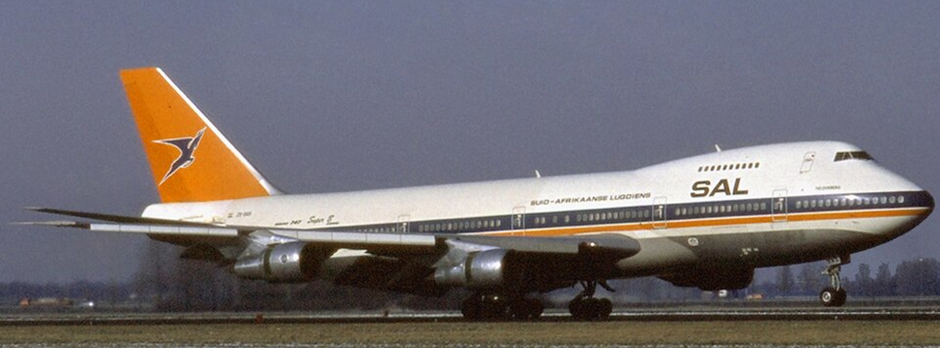
Featured image: South African Airways Boeing 747-200BM. This aircraft crashed on 28 November 1987.
The aircraft that fell into the Indian Ocean on 28 November 1987 was named after this mountain. That is not a coincidence that sits easily. A Boeing 747 called the Helderberg, registration ZS-SAS, carrying the name of the mountain that Somerset West looks up at every morning, gone, in the middle of the night, into black water 4,900 metres deep.
159 people. No survivors. No complete explanation. No peace for the families left behind.
South African Airways Flight 295 was a scheduled service from Taipei’s Chiang Kai-shek International Airport to Johannesburg, with a refuelling stop on the island of Mauritius. The aircraft, a Boeing 747-244 Combi, a modified configuration carrying both passengers and cargo on the main deck, had taken off from Taipei on the evening of 27 November 1987. There were 140 passengers and 19 crew on board. The flight crew was led by Captain Dawie Uys. The relief flight engineer was Alan Daniel. His son Marc was four years old at home.
The Boeing 747 Combi had a moveable partition separating passengers from cargo, allowing the airline flexibility with cargo volumes. The passenger seating occupied the forward two-thirds of the main deck. The rear third was cargo. It was in that rear cargo section where, somewhere over the Indian Ocean in the early hours of 28 November, something went catastrophically wrong.

Less than twenty minutes after the flight crew first reported the presence of smoke to air traffic control at Mauritius, the aircraft crashed into the Indian Ocean approximately 248 kilometres northeast of Plaisance Airport. Twenty minutes. From the first smoke report to the end.
Two damaged wristwatches were among the first items of debris recovered from the surface of the ocean. Both had stopped at 00:07 UTC, indicating the impact occurred just four minutes after the last communication from the aircraft. Whatever happened in those final minutes happened fast and violently. The aircraft broke apart in the air before it hit the water.
The recovery operation that followed was unlike anything attempted before. One of the flight data recorders was recovered from a depth of 16,100 feet, 4,900 metres, deeper than the depth at which the RMS Titanic sank. It remains one of the deepest successful salvage operations ever conducted. The cockpit voice recorder and flight data recorder were hauled up from depths that had never been reached before. What they contained was both revealing and maddeningly incomplete — only 100 seconds of badly damaged cockpit tapes.
The official inquiry, headed by Judge Cecil Margo, concluded that the crash was caused by an uncontrolled fire in the main deck cargo compartment. But the ignition source for the fire could not be determined. Could not be determined. In an era when aviation accident investigation had become extraordinarily sophisticated, the most basic question — what started the fire — remained officially unanswered.
That gap became a chasm.
In 1998, the Truth and Reconciliation Commission heard evidence in camera that the Helderberg was carrying chemicals used in the manufacture of rocket fuel. In an effort to circumvent anti-apartheid sanctions, it was alleged that the previous government had the chemicals transported on the commercial flight. It was further alleged that when a fire broke out in the cargo hold, the pilot was ordered not to land for fear of the cargo being discovered.

Independent investigators including forensic scientist Dr David Klatzow made allegations that the aircraft was carrying explosive military material in its cargo, smuggled into South Africa covertly because of the international arms embargo. A former SAA employee, Allan Dexter, gave a sworn statement claiming he had been informed by the SAA Manager at Taipei airport that the Helderberg was carrying rocket fuel. A second affidavit from former Chief Cabin Steward Willem Bothma claimed that on the day of the crash he received a telex from the SAA CEO reading: Seize all cargo documents related to SA295. No one to see it.
These are allegations. Allegations recorded under oath in official proceedings. They have never been conclusively proved. They have never been conclusively disproved.
It has been said that the people who might have had all the answers have since passed away. It remains a mystery exactly what caused the fire.
For the families, the mystery is not academic. Marc Daniel, whose father Alan was the relief flight engineer, was four years old when the aircraft went down. He said it was hard growing up without his father. “It is important to continue this memorial service every year because there is no other memorial in the country. South Africa did not erect a plaque or something for us to remember them.”
Read that again. South Africa’s worst commercial aviation disaster. 159 people dead. And no national memorial.
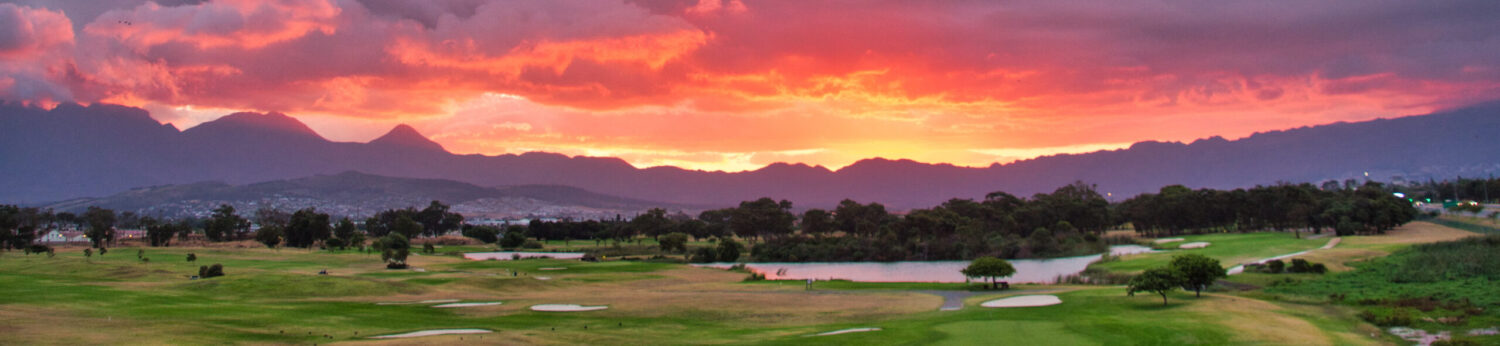
The aircraft was named the Helderberg. The mountain it was named after still stands above Somerset West, catching the afternoon light on its western face as it always has. The people of this valley lost friends, colleagues and family members on that flight.
The Indian Ocean east of Mauritius keeps its secrets. The mountain keeps its name. The families keep waiting.
Some questions do not get answered. This is one of them.
Between You and Me:
No national memorial. I keep returning to that. One hundred and fifty-nine people and no plaque, no monument, no official place to go and stand and remember. Marc Daniel was four years old when his father died on that aircraft. He has spent his entire adult life advocating for a memorial that does not exist. South Africa has memorials to battles, to politicians, to moments of national triumph and transformation. It does not have a memorial to the 159 people who went down in the Indian Ocean on 28 November 1987. That is an omission that deserves a name. I am not sure what name to give it, but it deserves one.
Historian – Harmen Bockelenberg
Next week: Next week: before Aerodrome Road was just a name, it was a runway. The story of Miss Strand, the biplane that gave the town its first taste of flight and the Friday afternoon in 1929 when she came down on the beach instead of the strip.


Be the first to comment