

A controversial proposal to solidify sections of Strand beach using a natural resin product has triggered outrage confusion environmental concern and at least three Facebook essays written entirely in capital letters.
The project reportedly aims to prevent excessive wind erosion drifting sand and the annual phenomenon where half the beachfront eventually relocates itself toward the N2 during southeaster season.
Municipal officials describe the resin as “environmentally friendly” and “nature-based”. Residents however remain suspicious because South Africans have learned that any sentence beginning with “don’t worry it’s natural” often ends with court proceedings and dead fish.
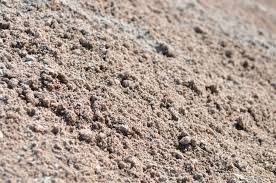
According to preliminary reports the product would bind the sand together creating a more stable beachfront surface resistant to strong winds foot traffic and Strand teenagers performing wheel spins near parking areas.
Environmental activists immediately raised concerns about possible impacts on marine ecosystems dune movement birdlife tidal processes and whether tourists may become permanently glued to the promenade during high temperatures.
One Gordon’s Bay resident described the proposal as:
“The first step toward turning the ocean into a shopping mall.”
Strand locals meanwhile remain divided.
Some welcome the idea believing it could finally stop beach umbrellas camping chairs and small children from blowing into False Bay every summer afternoon.
Others insist loose sand is part of Strand’s identity alongside gale-force winds sunburn and pensioners eating ice cream in fold-up chairs.
The Helderberg’s famous southeaster naturally dominates the debate. Scientists have spent decades studying the powerful wind system while Strand residents simply accept it as an annual reminder that nature hates unsecured objects.
Each summer visitors arrive confidently carrying gazebos picnic blankets and inflatable flamingos only to watch them vanish majestically toward Gordon’s Bay at approximately 80 kilometers per hour.
Municipal planners argue stabilizing the beach could improve tourism safety and reduce maintenance costs. Somerset West residents cautiously support the idea provided the beach remains “down there” and does not somehow migrate uphill toward their wine estates.
Environmental groups however fear unintended consequences.
Experts warn altering natural sand movement may affect:
- Coastal ecosystems.
- Dune vegetation.
- Shorebird nesting.
- Water drainage.
- And possibly Strand’s entire personality.
One Stellenbosch academic reportedly called the project “a disturbing metaphor for humanity’s desire to dominate natural systems”. Strand residents responded by asking whether the professor had ever tried eating slap chips during a southeaster without losing half the salt.
European swallows visiting during summer appear equally confused. Many initially assume the proposal is an avant-garde art installation funded by Cape Town designers with trust funds and strong opinions about sustainability.
The strongest resistance however comes from longtime Strand beach goers who fundamentally distrust any attempt to improve things that have functioned adequately since 1974.
“These dunes survived apartheid democracy and techno music” said one resident while securing his cooler box against the wind. “They’ll survive without glue.”
Meanwhile social media debates continue escalating.
Facebook groups now contain:
- Drone photos of dunes.
- Scientific articles nobody fully read.
- Angry pensioners.
- At least one conspiracy involving property developers.
- And several comments demanding the municipality first fix potholes before chemically negotiating with beaches.
Even the Helderberg Mountain appears to be watching silently in judgement as humans once again attempt to outsmart geography.
Still city officials remain optimistic insisting the resin product is safe biodegradable and carefully tested. Critics counter that so were many previous municipal ideas including traffic circles decorative paving and public artwork nobody understood.
For now Strand beach remains gloriously unstable.
The sand still blows.
The wind still humiliates tourists.
Children still return home with enough beach sand in their clothing to create minor desert ecosystems inside family vehicles.
And perhaps that is exactly how Strand likes it.