

Airport security at Cape Town International Airport reportedly intercepted a foreign tourist this week attempting to leave the country with several suspicious containers filled with sand collected from various Cape beaches including Strand Gordon’s Bay and Camps Bay.
Officials initially feared the containers may contain narcotics biological samples or contraband minerals. Investigators later discovered the substance was simply ordinary Western Cape beach sand — arguably still more valuable than some local property investments.
The unnamed tourist allegedly spent two weeks travelling along the coastline carefully gathering “meaningful samples” from beaches visited during their holiday.
Authorities became suspicious when luggage scanners revealed:
- Six labelled plastic tubs.
- Three ziplock bags.
- One empty sunscreen bottle filled entirely with damp sand.
- And a handwritten note reading:
“Strand wind resistance sample.”
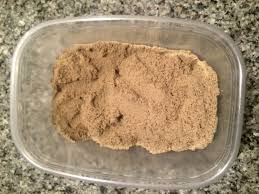
Airport staff described the discovery as “deeply concerning but also strangely emotional”.
The tourist reportedly explained they simply wanted to “take a little piece of South Africa home”. This statement immediately alarmed customs officials who pointed out that technically several property developers are already attempting exactly that along the Helderberg coastline.
Strand residents reacted with mixed feelings.
Some viewed the incident as flattering proof that international visitors still appreciate the beachfront despite occasional gale-force winds capable of removing eyebrows.
Others questioned why anyone would voluntarily transport Strand sand internationally when local residents spend half their lives trying to remove it from vehicles shoes carpets towels and occasionally internal organs.
Environmental activists quickly entered the debate warning that removing natural sand could disrupt delicate coastal ecosystems. Strand locals however estimate approximately 400 tons of their beach already relocates naturally toward Somerset West every southeaster season.
Gordon’s Bay residents were less surprised. They have long suspected tourists steal local items after repeated disappearances involving shells pebbles driftwood and in one case reportedly an entire decorative harbour sign.
The incident has also exposed growing tensions around “souvenir tourism” in the Western Cape.
Experts say modern tourists no longer settle for postcards fridge magnets or key rings. Today’s travellers increasingly seek “authentic experiences” which apparently now includes illegally exporting sediment.
One Stellenbosch academic described the phenomenon as:
“Post-colonial material nostalgia within transient leisure migration.”
Strand residents translated this loosely as:
“People stealing beach dirt.”
European swallows preparing for departure at the end of summer are believed to be responsible for several previous unexplained sand shortages. Some local businesses suspect small amounts of Helderberg coastline currently exist inside Scandinavian decorative glass jars labelled “Ocean Memories”.
Meanwhile airport officials confirmed the tourist was ultimately allowed to leave after surrendering the sand and promising never again to harvest geological material from public beaches without permission.
The confiscated sand will reportedly undergo careful environmental assessment before being returned to its original beaches in a ceremonial redistribution process expected to cost roughly the same as resurfacing three municipal roads.
Somerset West residents have already raised concerns that returning Strand sand could negatively affect nearby property values if it blows uphill during the next southeaster.
For now however the Helderberg coastline remains secure.
Its beaches still intact.
Its sand still airborne.
And its tourists now fully aware that taking memories home is encouraged.
Taking half the beachfront in Tupperware is apparently where authorities draw the line.